
The Weight of Winter
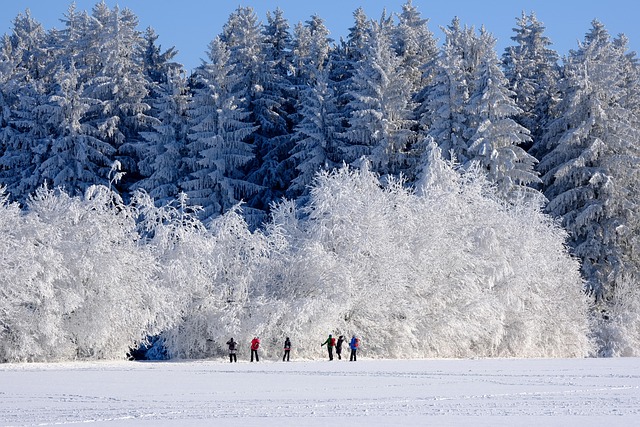
Winter once carried a very different weight. Today we string lights, sip mulled wine, and call it a wonderland. But for our ancestors, the season was a threshold of survival. Long nights, dwindling food stores, and biting cold carried the real possibility of death from starvation, illness, or exposure.
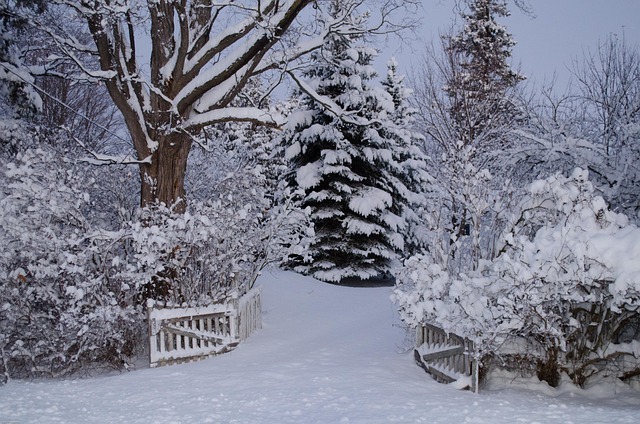
Folklore rose from this darkness . From ghost stories, spectral hunts, and figures like Morozko, the frost spirit of Slavic tales. He could be merciless, freezing the careless who lingered too long in the cold but also generous to those who showed humility and preparation. His icy breath was both a warning and a blessing, reminding people that winter demanded respect.
The Wisdom of Folklore and Its Modern Gift of Insight

Across northern cultures, countless figures ruled over the dark of the year. Some were monsters lurking in the shadows, hunting their prey. Others were stern judges, measuring diligence and punishing neglect. Still others offered rewards to those who prepared wisely and honoured communal bonds. What they all share in common, however, is an undertone of preparation, diligence, and community. These were the keys to survival for our ancestors, and so they were woven into myth. Cautionary tales and spectral visitations were designed to ensure future generations made it through the long, perilous depths of winter.
Berchta and the Knife of Preparation
In Alpine tradition, Berchta walked the land during the Twelve Days of Christmas, checking that households were prepared for the long winter. She rewarded those who had spun their flax and stocked their larders, but punished those who were careless or lazy. Her presence was a chilling reminder: plan ahead, or risk not surviving the season.
Today, her shadow lingers in a different guise. We no longer fear Berchta’s knife, but we do fear the wrath of the Christmas Karen – the shopper who descends upon the aisles with fury if the shelves are bare. She reminds us, in her own way, to prepare early and not leave our shopping until the last minute… lest we face her wrath at the checkout.
Planning ahead mattered deeply to our forebears. In a world without supermarkets or central heating, failing to prepare could mean hunger or death. Stocking the larder and spinning the flax were not optional chores but lifelines. Berchta’s myth carried that urgency forward. It ensured each generation remembered that diligence and foresight were the difference between survival and ruin.
Morozko and the Frost of Exhaustion
In Slavic tales, Morozko was the frost spirit who could be merciless or kind. He froze the careless who lingered too long in the cold, yet rewarded the humble and hardworking with gifts. His icy breath was both a warning and a blessing, reminding people that winter demanded respect and diligence.
Today, Morozko’s lesson echoes in the creeping chill of seasonal burnout. We may not freeze to death, but we do freeze under the weight of endless obligations, forced cheer, and the pressure to keep up appearances. His frost has become the exhaustion that settles in when we forget to pace ourselves and reminds us that winter still demands humility and care even today.

For our ancestors, the cold was not symbolic – it was lethal. Respecting the frost meant knowing when to stay indoors, when to conserve energy, and when to work steadily rather than recklessly. Morozko’s myth encoded that wisdom, teaching that humility before the season’s dangers was the path to survival.
Krampus and the Cost of Chaos
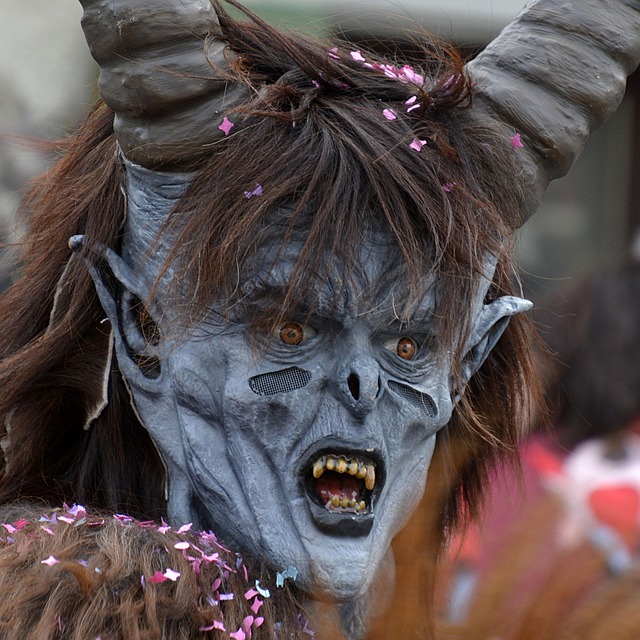
In Alpine folklore, Krampus was the horned demon who punished naughty children, dragging them off in chains or beating them with birch rods. He was the terrifying counterpart to Saint Nicholas, embodying discipline and fear in a season when obedience could mean survival.

Today, Krampus has traded his birch rods for shopping carts. His modern incarnation is the chaos of Black Friday, where stampedes erupt in pursuit of discounted goods. The punishment is no longer chains but bruised ribs and frayed tempers, reminding us that greed and frenzy still haunt the season – only now in fluorescent-lit aisles instead of snowy forests.
The fear Krampus inspired was not just about morality; it was about order. In a fragile winter economy, children had to obey, families had to cooperate, and chaos had to be contained. A household disrupted by disobedience could mean wasted food, broken tools, or danger in the cold. Krampus embodied the need for discipline, ensuring survival through obedience.
Today, the frenzy of consumerism shows how easily chaos still erupts when discipline falters. Overspending in the Black Friday sales or the run‑up to Christmas can mean a difficult start to the year financially, as families face the burden of paying everything back. Just as Krampus once embodied the dangers of indulgence and disobedience, his shadow today warns us of the cost of excess – not in birch rods, but in debt and stress that linger long after the decorations come down.
Mari Lwyd and the Bonds of Community
In Welsh tradition, Mari Lwyd was the eerie horse-skull figure draped in cloth, knocking on doors during the dark season. She blurred the line between festivity and fright, demanding wit and hospitality from those she visited. Her presence was unsettling, yet she bound communities together in ritual and resilience.
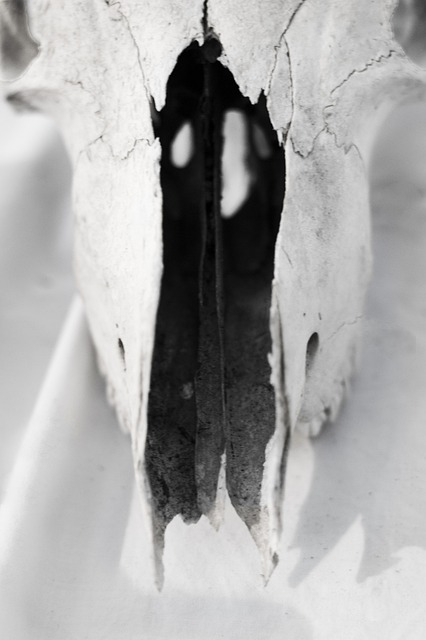
Today, Mari Lwyd’s spectral knock has been replaced by the arrival of the monster-in-law. That family member who appears unannounced, demanding hospitality and testing patience. The challenge is no longer a rhyming contest but the endurance of strained smiles and overcooked sprouts. Yet, just like Mari Lwyd, these visits remind us that community is forged in both joy and discomfort.
And this community was essential. In the depths of winter, survival was not an individual task but a communal one. It didn’t matter if you liked the Jones down the road or, the Evans opposite, you all needed each other to get through the season. Sharing food, warmth, and companionship meant the difference between endurance and despair. Mari Lwyd’s visits reinforced those bonds, reminding people that community was not optional but vital. Even today, in places like Siberia, villages still prepare for winter together, ensuring that everyone has what they need so the whole community survives.
The Wild Hunt and the Storms of Chaos
The Wild Hunt was a spectral procession thundering across the skies, led by gods or spirits and striking terror into those who witnessed it. It embodied uncontrollable forces sweeping through the dark season – chaos, death, and the reminder that humans were small against winter’s power.

Today, its echo might be found in the frenzied holiday commute or the hunt for parking spaces. Cars circle shopping centers like restless hounds, drivers tense and desperate, swept up in a storm of impatience. The Wild Hunt no longer gallops across the skies – it prowls asphalt lanes, reminding us that chaos still stalks the season, only now in exhaust fumes instead of spectral winds.
For our ancestors, the Hunt was a warning that chaos could strike at any moment – storms, raids, or sudden death. The lesson was vigilance and cooperation: no one could stand alone against the storm. Communities had to prepare together, pooling resources and labour to withstand the chaos of the season. The Wild Hunt’s terror kept people alert, reminding them that survival meant respecting forces larger than themselves.
The Yule Cat and the Threads of Necessity
The Yule Cat of Iceland prowled the snowy countryside, devouring those who failed to receive new clothes for Christmas. It was a monstrous enforcer of generosity and preparation, ensuring that everyone contributed to the communal weaving and gifting.
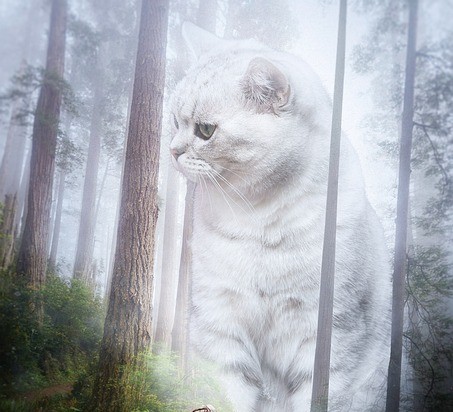
Today, the Yule Cat’s shadow lingers in social media comparison culture. Instead of being eaten, we risk being judged – for not having the perfect outfit, the most beautifully decorated home, or the most photogenic festive spread. The Yule Cat no longer prowls the snow; it prowls Instagram feeds, reminding us that the pressure to “measure up” is as relentless as ever.
Whilst the idea of new clothes before Christmas may seem as obsolete as a seasonal fashion show today, it carried very real weight for our ancestors. Receiving new garments was not about vanity but survival. Thicker, sturdier clothes meant added warmth against the cruel elements, protection from frostbite, and a greater chance of enduring the long, dark months ahead.
The tale of the Yule Cat, prowling to devour those without new clothes, was more than a monstrous threat – it was a communal reminder. Everyone had to contribute to the weaving, spinning, and gifting, because ensuring that each person was properly clothed increased the whole community’s chances of survival. What reads now as superstition was once a story stitched with necessity.
The Elf and the Weight of Perfection
In older traditions, household sprites and winter goddesses kept watch, ensuring families were prepared for the long winter. Their silent surveillance reinforced discipline and diligence.
Today, that role has been outsourced to a plastic elf with a fixed grin. But the Elf doesn’t just judge the children – he judges us parents too. Forget to move him one night, and suddenly you’re the negligent keeper of Christmas magic. Meanwhile, there’s always that one parent whose elf stages elaborate pranks: zip-lining across the living room, baking cookies, or building Lego castles. And then there’s your elf… who only manages to shuffle every three days, leaving behind nothing more dramatic than a half-eaten mince pie or a misplaced chocolate. His mischief is less about discipline and more about the exhausting perfection we impose on ourselves.
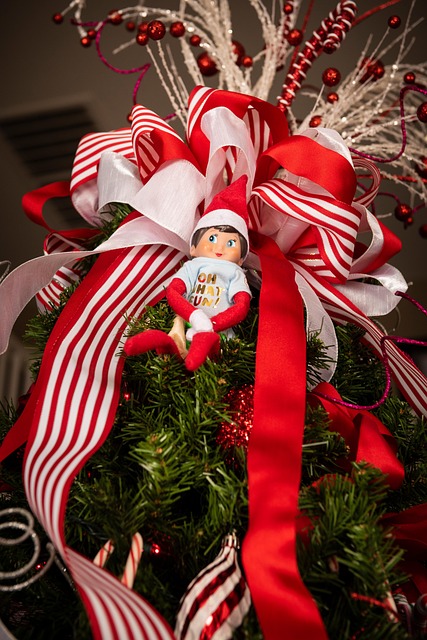
And here lies the survival logic. In older times, surveillance figures reminded families to keep order because disorder could mean wasted food, broken tools, or danger in the cold. The Elf is a parody of that discipline, but the pressure he creates is real: the myth has shifted from survival to performance. What once kept families alive now keeps parents awake at night, worrying about whether they’ve lived up to an impossible standard.
The Shadows We Create
For our ancestors, winter was a season of survival. They worried about whether the pantry was full, the firewood stacked high, and the medicines preserved against illness. Folklore figures like Berchta, Morozko, Krampus, and the Wild Hunt reminded them of the dangers lurking in the cold and the need for discipline.
Today, the dangers are different and often self‑inflicted. We fret over whether the oven is big enough for the oversized turkey, if there’s enough wine in the cupboard, whether Santa will manage to wrap all the presents in time, and if we remembered to move that bloody Elf before bed. The monsters are no longer prowling outside; they live in our calendars, shopping lists, and expectations. Most of all, they live in our head.

Perhaps the lesson is this: winter has always been a time of pressure, but we are the ones who decide how heavy it feels. By laughing at our modern “Christmas Karens” and “Black Friday stampedes”, we can reclaim the season as one of resilience, joy, and belonging — just as our ancestors did when they lit fires against the dark.
Looking for more giggles and light‑hearted reading? You can check out my muddy escapades here.
Or
If you’d like to explore the historical reality behind these tales, this article on Winter as a Human Challenge offers a fascinating look at how communities once survived the season together.
Leave a Reply