
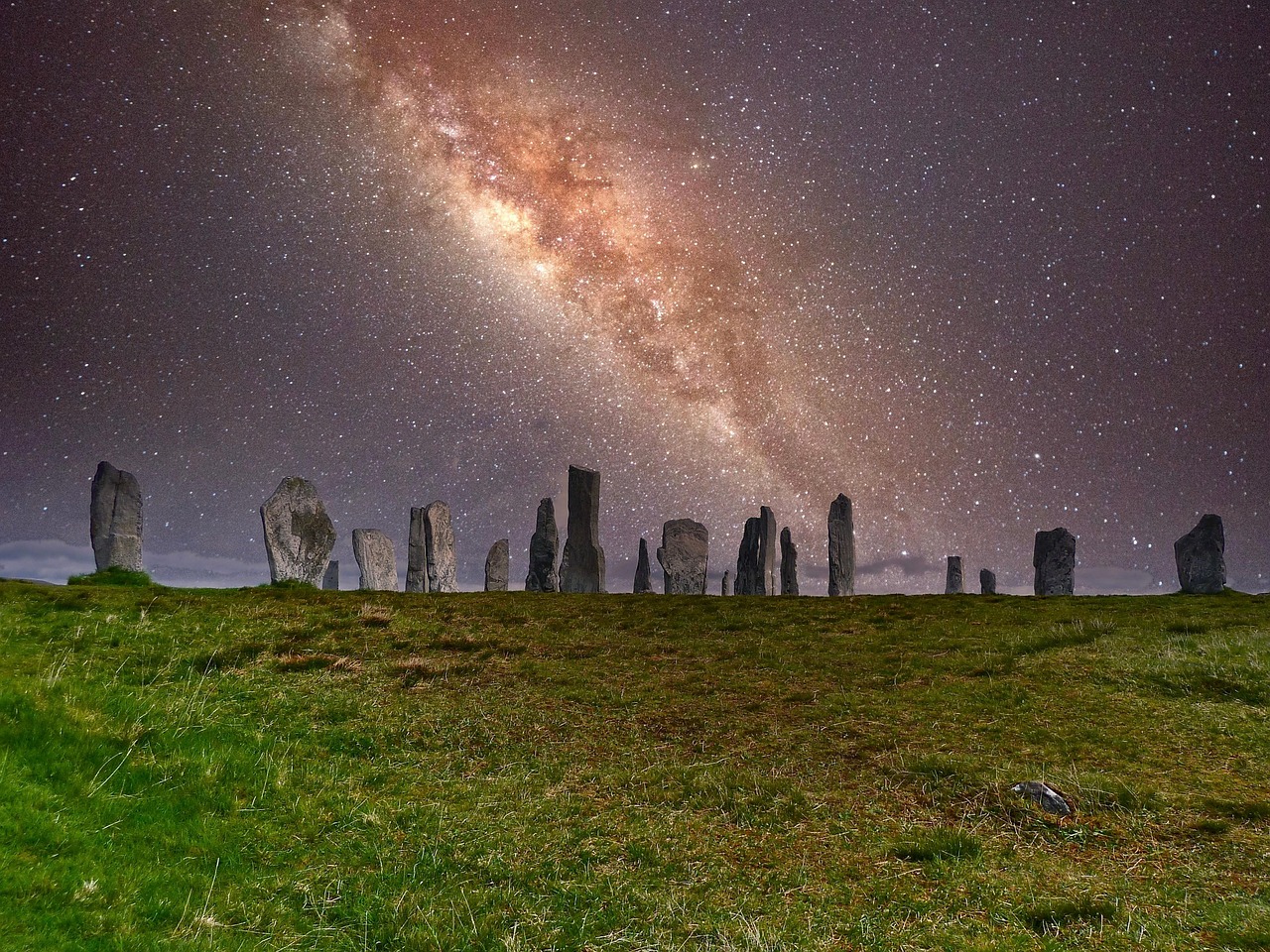
The winter solstice marks the longest night and the turning point toward the return of light. Across cultures and centuries, this threshold has been honoured as both an ending and a beginning. As a time of stillness, clarity, and renewal. In the hush of winter, we find wisdom in the dark and hope in the promise of the sun’s return.
History of Yule and the Solstice
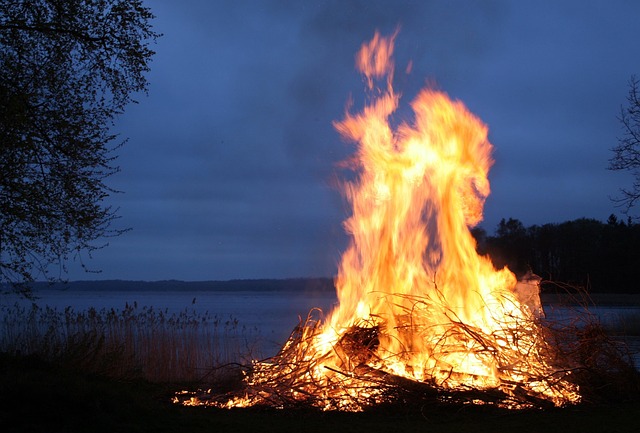
The celebration of Yule has its roots in the ancient Germanic and Norse peoples, who honored the rebirth of the sun at the darkest time of the year. Fires were kindled to call back the light, feasts were shared to strengthen community bonds, and evergreen boughs were brought indoors as symbols of life enduring through the cold. These practices carried the promise that even in the depth of winter, vitality remained, waiting to return with the lengthening days.
In Rome, the solstice was marked by Saturnalia, a festival of reversal and revelry dedicated to Saturn, the god of time and agriculture. For several days, social hierarchies were upended. Masters served their slaves, gifts were exchanged and the streets rang with laughter and feasting. Saturnalia embodied the spirit of release and renewal. It reminded participants that the cycles of time bring both endings and beginnings and that joy itself can be a form of resistance against the encroaching dark.
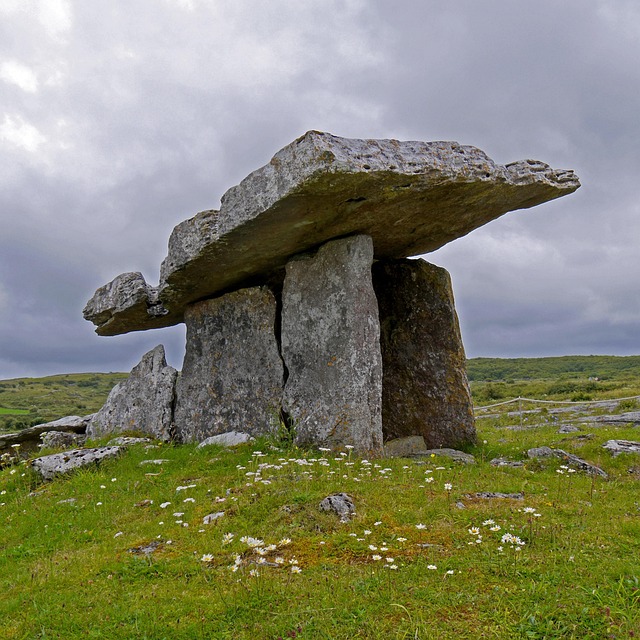
For the Celts, the solstice was a sacred hinge in the wheel of the year, a moment when the triumph of light over darkness was ritually acknowledged. The alignment of ancient monuments such as Newgrange in Ireland – where the rising sun on the solstice illuminates the inner chamber – reveals how deeply this turning point was woven into spiritual life. These structures were not merely tombs or temples, but cosmic calendars affirming humanity’s place within the rhythms of the earth and sky.
Perspectives Across Cultures
Scandinavia
In Scandinavia, Yule carried the promise of warmth and protection through the harsh winter months. Great feasts were held in longhouses, fires blazed against the cold, and rituals of light sought to call back the sun. The Yule log, often a massive piece of wood burned over many days, symbolized endurance and continuity, its embers believed to hold protective power for the household. Evergreen branches decorated homes as reminders of life persisting through the snow, while offerings were made to spirits and deities to ensure fertility and abundance in the year ahead. Yule was not only a festival of survival but of joy, weaving together community bonds and affirming that even in the darkest season, light and life endure.
China
In China, the winter solstice is celebrated through the Dongzhi Festival, a time that emphasizes the balance of yin and yang. As the longest night passes, yang energy begins to rise again, symbolizing the gradual return of light and warmth.
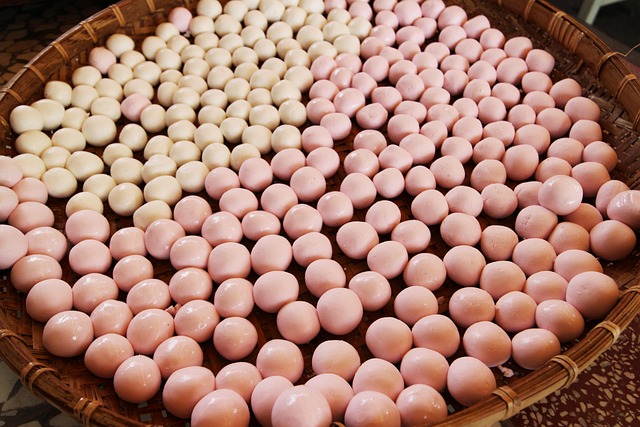
Families gather to share meals that embody comfort and resilience, such as dumplings in the north and tangyuan — sweet glutinous rice balls — in the south.
These foods are not only nourishing but symbolic, representing unity, harmony, and the cyclical nature of life. The festival reminds participants that even in the depths of winter, balance is restored, and renewal is already underway.
Indigenous Communities
Among many Indigenous communities in North America, the solstice is honored as a sacred threshold, a time of storytelling, renewal, and gratitude for the cycles of nature. Winter nights become spaces for oral traditions, where elders pass down myths, histories, and teachings that root communities in ancestral wisdom. The solstice is often seen as a moment of reflection and preparation, acknowledging the gifts of the earth and the importance of reciprocity. In these traditions, the darkness is not feared but embraced as a fertile pause, a time to listen deeply to the land and to the voices of those who came before.
Cymru
In Wales, sites such as Bryn Celli Ddu on Anglesey embody the deep reverence for the solstice, their passageways aligned to the rising sun and affirming the union of land, ancestors, and celestial cycles.
Known as Alban Arthan, “the Light of Winter,” this turning point was honoured as both the darkest day and the moment when renewal begins. Celtic lore bound communities together through fire, evergreen, and storytelling, seeing the darkness not as an end but as a fertile pause – a time when seeds slept beneath the soil and rebirth was already stirring.
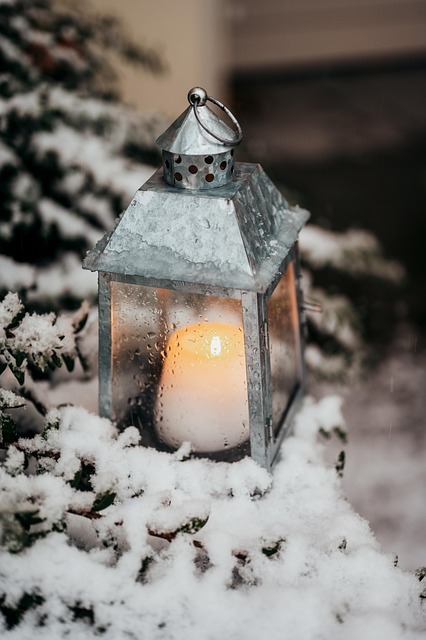
In Welsh tradition, Alban Arthan carried both solemnity and hope: the stillness of winter revered as sacred, and the promise of returning light celebrated as a gift to the community.
Activities, Festivities, and Folklore
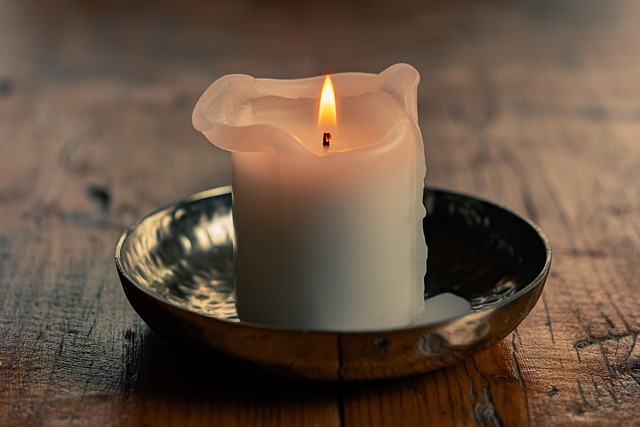
One of the most enduring practices of the winter solstice is the lighting of candles or fires to call back the sun. In the darkest night of the year, flames become both practical and symbolic — warming the body while also representing the spark of hope that light will return. Hearth fires, bonfires, and lanterns carried through the night remind us that illumination is not only external but also internal, a way of kindling resilience and clarity within ourselves.
Feasting has always been central to solstice celebrations, a way of strengthening community bonds and nourishing spirits during the lean months.

Tables laden with hearty winter foods – roasted meats, root vegetables, spiced breads, and warming drinks – embody abundance in the midst of scarcity.
Sharing food at this time is more than sustenance; it is an act of generosity and gratitude, affirming that survival is collective and joy is best when shared.
Evergreens, holly, and mistletoe have long been brought indoors as symbols of resilience and fertility. Their green vitality in the midst of winter’s barrenness speaks of endurance and the promise of renewal. Holly, with its sharp leaves and bright berries, was believed to ward off evil spirits, while mistletoe carried associations of healing, peace, and fertility. Decorating homes with these plants was not only aesthetic but protective, weaving nature’s strength into the fabric of daily life.
Folklore
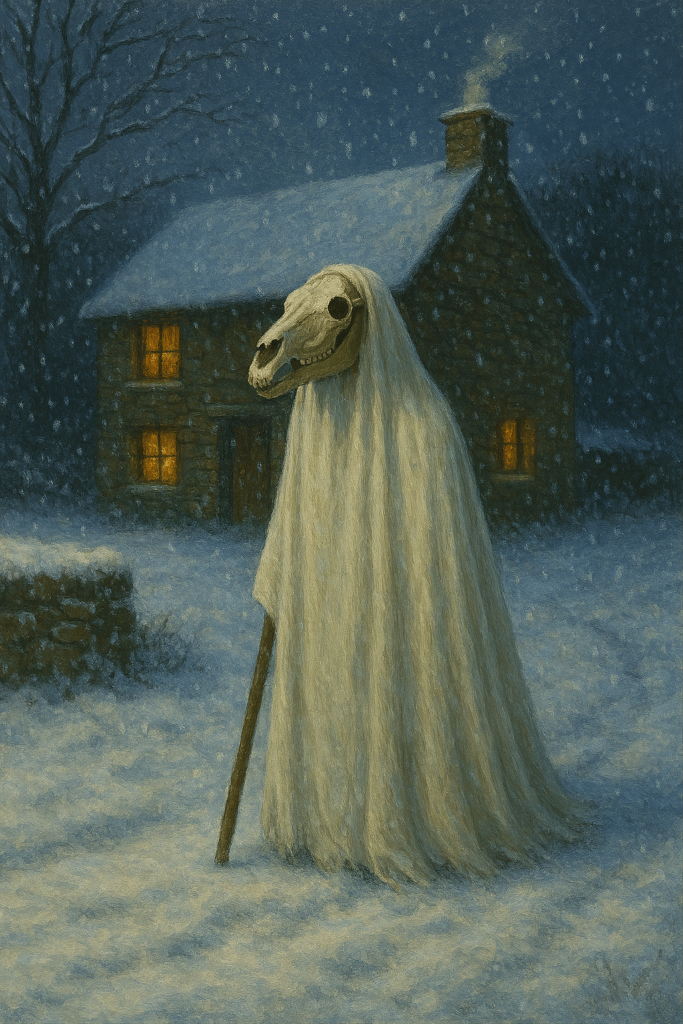
Folklore at the solstice is rich with spirits, deities, and guardians who walk the winter nights, testing courage and humility. In Wales, the spectral Mari Lwyd — a horse’s skull draped in cloth, carried door to door — embodies the threshold between life and death, light and dark. Its eerie presence is met with song, wit, and laughter, a ritual of resilience in the face of winter’s starkness. Elsewhere, tales of the Oak King and Holly King dramatize the shifting balance of power between light and dark, with the Oak King’s victory at midwinter heralding the slow return of the sun.
Across cultures, these figures remind us that winter is not only a season of endurance but also of initiation, where courage, humility, and authenticity are tested before renewal can begin.
Wisdom from the Outside World
Winter teaches us to pause, to strip back illusions, and to listen to the silence. The bare trees remind us that life continues unseen, roots deepening in the soil. The solstice whispers: renewal begins in stillness, and clarity is the gift of the dark.
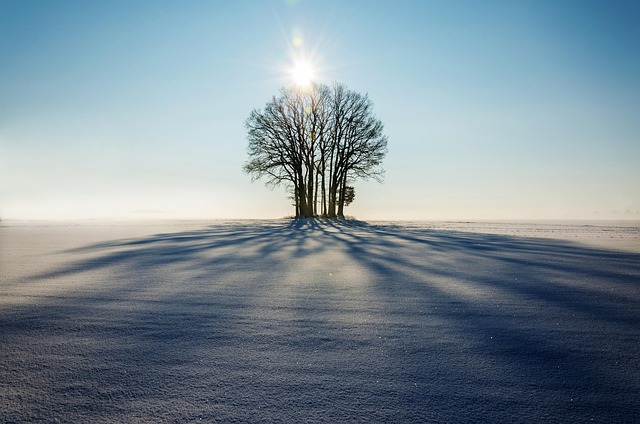
In the hush of winter, the world invites us to slow our pace and notice what lies beneath the surface. The frost on the ground, the skeletal branches against the sky, the long nights that stretch like a cloak — all remind us that life is not diminished, only hidden, gathering strength in secret places. Just as seeds rest in the soil, unseen yet full of potential, so too do our own intentions and dreams root themselves quietly in the dark, waiting for the right moment to emerge.
The wisdom of winter is one of honesty. Without the cover of leaves or the abundance of summer, the landscape shows itself plainly, stripped back to essentials. This starkness is not emptiness but truth: what remains is what endures. In our own lives, winter asks us to shed illusions, to release the masks we wear, and to sit with what is real. It is a season that teaches resilience not through abundance, but through clarity.
The sageness in silence
Silence itself becomes a teacher. In the absence of constant growth and noise, we learn to listen differently — to the wind across the hills, to the crackle of fire, to the quiet voice within. Winter reminds us that wisdom often arrives not in the rush of activity, but in the pause, the breath, the stillness that allows us to see more clearly.

And yet, winter is not only about endings. It is also about preparation. The deepening of roots, the gathering of strength, the quiet gestation beneath the soil — all are acts of renewal in disguise. The outside world shows us that what appears dormant is alive with possibility. The solstice, as the turning of the year, embodies this paradox: the darkest night is also the moment when light begins its return.
Winter Deities and the Gift of Renewal
Cailleach
In Celtic tradition, the Cailleach reigns as the storm-bringer and sovereign of winter. She is a formidable figure, shaping the land with her death‑bringing winds and icy tempests. Yet her storms are not merely destructive; they clear the ground, stripping away what is no longer needed so that rebirth may take place. The Cailleach embodies the paradox of winter — harshness as preparation, barrenness as fertile ground. To honor her is to recognize that endings are necessary for beginnings, and that sovereignty often comes through surrender to the cycles of nature.
Skadi
From the Norse world comes Skadi, the giantess of winter, mountains, and the hunt. Her story is one of authenticity and the price of compromise. When forced into marriage with Njord, a god of the sea, Skadi found herself torn from her true ground — the snowy peaks and forests where she belonged. The union was fraught, and ultimately unsustainable, teaching that sacrificing the self for the sake of others is the deepest wound. Skadi’s return to her mountains is a reminder that wholeness comes only when we stand firmly in our own truth, even if the path is cold and solitary. Winter, through her, becomes a teacher of integrity and self‑honouring.

Baba Yaga
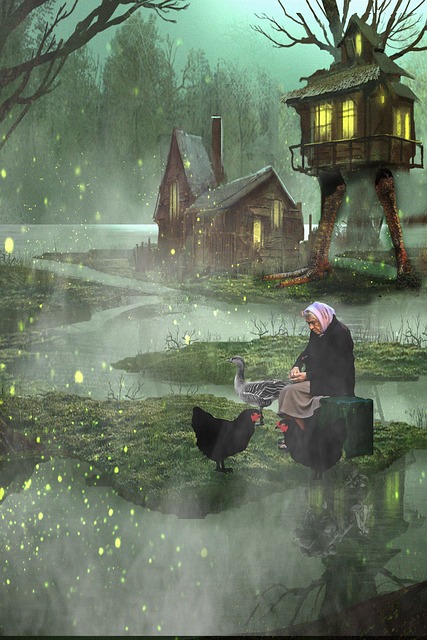
In Slavic folklore, Baba Yaga appears as the crone at the threshold, dwelling in her hut on chicken legs deep within the forest. She is both terrifying and wise, a figure who tests resilience and courage. Those who encounter her must face trials that strip them of illusions, forcing them to confront death as initiation. Baba Yaga embodies the liminal space of winter — the crossing from one state of being to another. Her lessons are not gentle, but they are transformative, showing that only by enduring the darkness and facing our fears can we emerge renewed.
Morozko and Ded Moroz
The Russian figures of Morozko and Ded Moroz bring the mercies and dangers of frost. Morozko, the spirit of winter cold, is known for rewarding humility and punishing arrogance. In folktales, those who approach him with respect and honesty are granted gifts, while those who come with pride or deceit are met with cruelty. Ded Moroz, later transformed into a more benevolent “Grandfather Frost,” carries the dual nature of winter — its chill can kill, but its clarity can also bless. These deities remind us that cold is not only a threat but a gift, teaching humility, endurance, and the grace of simplicity.
Together, these winter figures reveal the deeper wisdom of the season. Storms, solitude, trials, and frost are not punishments but initiations. They strip us back to essentials, test our resilience, and remind us of the humility required to live in harmony with the cycles of nature. Renewal is the gift they guard, waiting to be claimed by those willing to walk through the dark with courage and authenticity.
🕯 Ritual of Winter’s Clarity
Purpose: To honour winter’s gift of stripping away illusions, and to invite authenticity before renewal.
Materials:
- A bare branch or twig (fallen, gathered respectfully)
- A candle (white or dark blue works well)
- A small slip of paper and pen
- A safe dish or fireproof bowl for burning
Steps:
- Prepare the space: Sit quietly with the branch before you, noticing its starkness — no leaves, no cover, only what is.
- Light the candle: As the flame flickers, acknowledge that winter illuminates what is hidden, showing truth in the bare landscape.
- Write down illusions: On the paper, jot one thing you’ve been hiding from yourself — a pressure, expectation, or mask that winter’s clarity now reveals.
- Offer to the branch: Place the paper beneath the branch, saying aloud: “Winter strips me back. I see clearly. I let this illusion fall away.”
- Sit in stillness: Spend a few minutes gazing at the candlelight through the bare branch, imagining how clarity makes space for renewal.
- Burn the paper: When you feel ready, burn the paper safely in the dish. Watch the smoke rise, carrying away what no longer serves.
- Keep the twig: Place the bare twig somewhere visible until spring. It becomes a reminder that from the space where the illusion has gone, new shoots of beginnings will arise.
- Close: Extinguish the candle, carrying the sense of clarity with you.
From Ashes to Shoots
As the paper burns, its smoke rises into the cold air, carrying away what no longer serves. In the silence that follows, only the bare twig remains – stark, stripped, honest. Through winter it will stand as a reminder of what has been released. And when spring returns, from the space where that illusion has gone, new shoots will rise. What feels like death in the dark months is only the clearing of ground. Renewal waits in the soil, ready to root itself in the truth we have chosen to keep.
Closing Thoughts
In revisiting the winter solstice, we’ve traced its many layers—from Yule’s ancient fires and Saturnalia’s revelry to Celtic alignments and Dongzhi’s balance. Across cultures, this turning point is marked with feasts, rituals, and stories, all echoing the truth that renewal stirs in the darkest night. We’ve met the folklore and activities that kindle resilience—evergreens, candlelight, the spectral Mari Lwyd, and battles of light and dark. Nature itself reminds us that clarity begins in stillness, while winter’s deities—the Cailleach, Skadi, Baba Yaga, Morozko—embody the trials and mercies that prepare us for rebirth.
The solstice is not only a turning of the year but a turning within. It asks us to honour endings as fertile ground for beginnings, to release illusions and stand in authenticity, and to carry forward traditions that root us in belonging. By listening to the wisdom of winter, we learn that silence is not emptiness but presence, that darkness is not absence but preparation, and that renewal waits patiently beneath the soil of our lives.
The return of the sun is also the return of ourselves — renewed, clarified, and ready to grow. As we step into the lengthening days, may we carry with us the lessons of winter: humility, resilience, and the courage to live in truth. The solstice reminds us that light always returns, and with it, the invitation to begin again.
If you’ve enjoyed what you’ve read here you might like to explore my earlier winter themed post The Wisdom of Old: Walking in a Winter Wonderland
Or
For more on how cultures across the world celebrate the solstice, you can explore this collection of traditions 15 Festive Winter Solstice Traditions From Around the Globe [2025]
Leave a Reply